
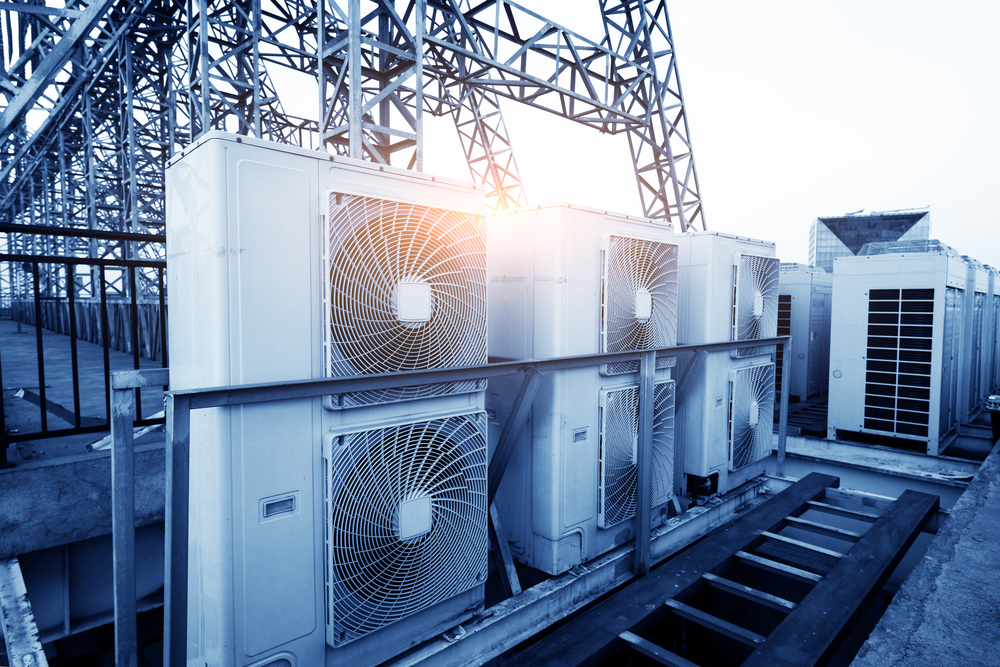
Did you know that HVAC systems in commercial buildings are responsible for the total energy consumption of 40%? In order to meet the increasing demands for energy efficiency from both end-users and governments, it is essential to continuously optimize HVAC systems to limit costs, reduce consumption, and lower emissions. So, what are the ways to achieve this?
Let’s get this straight: commercial HVAC is a complex subject. If you found residential HVAC systems confusing, then you’re in for an even more challenging experience with commercial HVAC.
When compared to other air-based cooling systems, HVAC is more efficient due to its higher coefficient of performance. However, it’s important to note that HVAC systems do have higher maintenance expenses, particularly when there are issues with electronic controls. Nevertheless, these maintenance costs are still relatively reasonable when compared to other systems. As the best HVAC Technician in Thane, Mumbai and Navi Mumbai we are going to shed light on the future prospects of the HVAC field.
Looking towards the future, it’s evident that HVAC systems have an important role in shaping the design, construction, and operation of buildings. The need for more energy-efficient, environmentally friendly, and cost-effective HVAC solutions and HVAC Technician in Thane, Mumbai and Navi Mumbai is driving innovation in the industry.
Energy Efficiency
Commercial buildings’ energy consumption is a major contributor to greenhouse gas emissions. Therefore, it’s crucial to develop HVAC systems that are effective and environmentally friendly. In the future, we can expect to see advancements in energy-efficient technologies to address these concerns.
Searching for HVAC Technician in Thane, Mumbai and Navi Mumbai? Balaji Air Cool Service has got you covered! We provide end-to-end HVAC services for your needs! For inquiry contact us!
Variable Refrigerant Flow (VRF) Systems
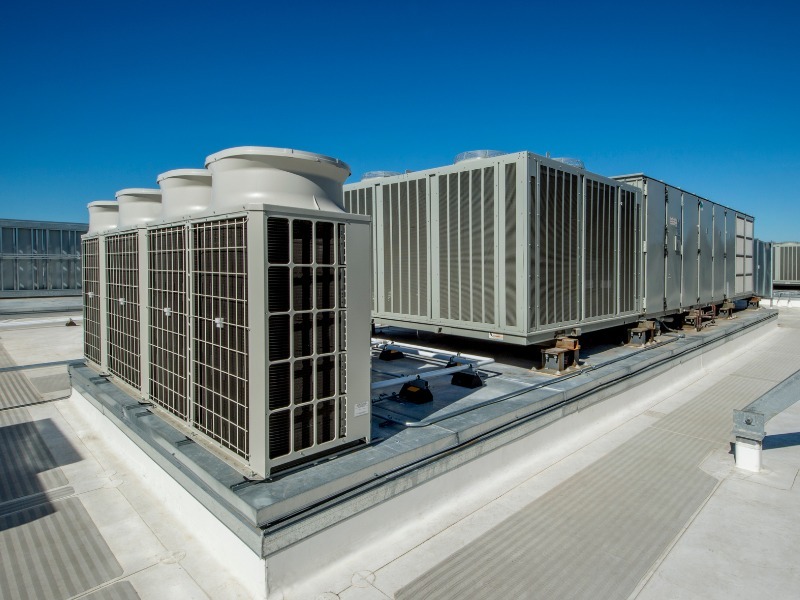
The upcoming innovation in the HVAC sector is VRF systems. VRF systems have become increasingly popular because of their ability to provide precise zone control and high energy efficiency. These systems use refrigerants to heat and cool spaces, which eliminates the need for extensive ductwork and increases flexibility in building design.
Improved Air Quality and Health
In the future, HVAC systems will focus on creating healthier indoor environments. These systems adjust the amount of outside air brought into a building based on occupancy, ensuring adequate fresh air while reducing energy consumption. Some HVAC systems are equipped with air purifiers that use technologies like bipolar ionization to reduce harmful particles and microorganisms in the air, further enhancing indoor air quality.
Solar HVAC Systems
Solar panels can provide electricity for HVAC systems, reducing the building’s reliance on grid power and lowering operational costs. Integrating renewable energy sources could be an innovative idea for HVAC’s future. Combining HVAC systems with renewable energy generation can lead to more sustainable and cost-effective building operations.
Automation & Management
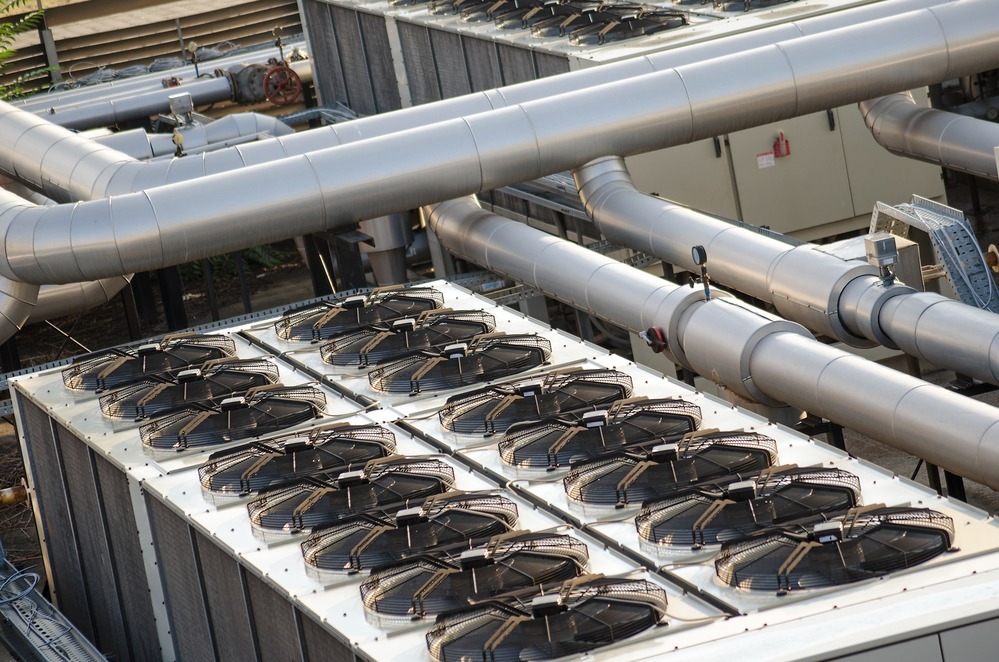
If we talk about HVAC innovations for the future, it also encompasses the overall management of building systems. Building automation and management systems are becoming increasingly sophisticated and integrated, leading to more efficient HVAC operations.
The future of HVAC is moving towards sustainability, energy efficiency, and enhanced indoor air quality. Innovations in technology and building design are creating opportunities for more environmentally friendly and cost-effective HVAC solutions. As the construction industry continues to evolve, the HVAC sector will play a pivotal role in shaping the buildings of tomorrow, making them more comfortable, efficient, and sustainable for all occupants.